Entertainment is no longer judged only by plot, sound, performance, humor, or visual style. Audiences also ask what a film, show, game, creator, event, or platform represents. Social causes now shape viewing, listening, gaming, and spending decisions because entertainment is part of public identity. What people support can signal what they believe, what they reject, and where they belong.
Gen Z and Millennials both care about social issues, but they often respond through different habits. Millennials may connect entertainment choices to ethics, labor, sustainability, and representation after research or public debate, while Gen Z often reacts through feeds, creators, fan communities, comments, and references such as turbo games vortex within a wider digital environment where culture, values, and entertainment move together.
Entertainment Became a Values Signal
Entertainment choices have always carried social meaning. A person’s favorite music, films, books, games, or public figures can reveal taste, class, politics, education, humor, and identity. What has changed is how visible those choices have become.
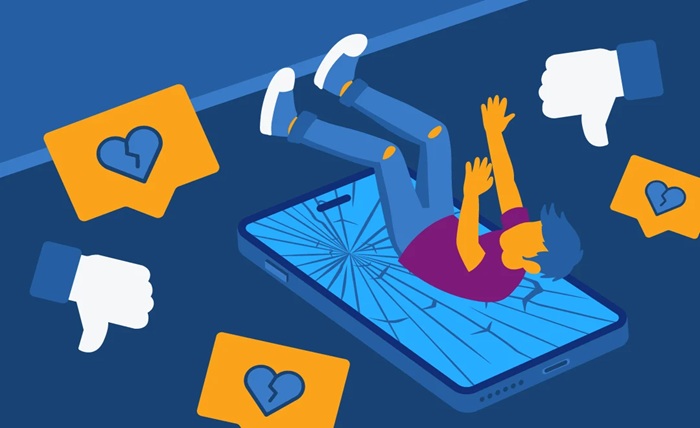
Social platforms make consumption public. A liked post, shared clip, playlist, review, profile badge, fan edit, or creator subscription can show alignment with a cause or community. Audiences do not only consume entertainment privately. They display it, discuss it, defend it, and sometimes distance themselves from it.
This visibility changes behavior. People may avoid a film because of a public controversy. They may support a creator because of advocacy. They may choose a series because it includes representation they rarely see. Entertainment becomes a way to participate in cultural debate without making a formal political statement.
Millennials and Ethical Consumption
Millennials grew up as social causes became more connected to consumer behavior. They were encouraged to think about fair trade, sustainability, diversity, labor rights, charity campaigns, and corporate responsibility. This shaped how many Millennials evaluate entertainment.
A Millennial viewer may ask whether a company treats workers fairly, whether a production supports independent artists, whether a concert has ethical partners, or whether a public figure has a record of harmful behavior. Their choices often combine personal values with practical limits.
However, Millennials also tend to be aware of compromise. Many grew up watching brands adopt social language without changing business practices. This can make them skeptical of cause-based marketing. They may support entertainment linked to social values, but they often look for evidence beyond slogans.
For Millennials, social causes matter most when they feel connected to action, not only image.
Gen Z and Public Accountability
Gen Z is often more direct in connecting entertainment with social causes. This generation grew up with public callouts, creator accountability, viral campaigns, and fast-moving comment sections. They are used to seeing audiences challenge public figures, brands, and studios in real time.
This shapes their entertainment choices. A Gen Z viewer may stop following a creator after a controversy, support a musician who speaks about an issue, or promote a show that handles identity with care. They may also expect public figures to respond when major social topics affect their communities.
For Gen Z, silence can be interpreted as a position, especially when the entertainer has built a brand around authenticity, community, or moral awareness. This expectation can be intense, but it reflects a media world where influence and accountability are linked.
If entertainment reaches people at scale, Gen Z often believes it carries responsibility.
Representation as a Buying Factor
Representation is one of the clearest ways social causes influence entertainment. Audiences increasingly notice who appears on screen, who writes the story, who directs it, who is missing, and how characters are framed.
Millennials often pushed for better representation after years of limited visibility in mainstream media. Many remember when diverse characters were rare, stereotyped, or placed at the edge of the story. For them, representation can feel like progress when compared with older media patterns.
Gen Z often starts from a higher expectation. They are less likely to praise representation only because it exists. They ask whether it is written well, whether it avoids tokenism, and whether the people represented have agency. They also compare mainstream work with creator-led content from people inside the communities being portrayed.
This makes representation not just a social issue, but a quality standard.
Boycotts, Backlash, and Selective Support
Social causes influence entertainment through both rejection and support. Audiences may boycott a film, artist, event, game, or platform when they believe it conflicts with their values. They may also support smaller creators, independent projects, or cause-linked campaigns to reward alignment.
Millennials often approach boycotts through research and debate. They may consider whether avoiding a product will make any difference, whether workers might be harmed, or whether the issue is clear enough to act on.
Gen Z may mobilize faster because information spreads through clips, screenshots, explainers, and creator commentary. A controversy can become widely known before traditional media covers it. This speed gives audiences power, but it can also create risk when context is incomplete.
Both generations use entertainment choices to express values, but Gen Z often does so in a more immediate and visible way.
The Role of Creators as Cause Interpreters
Creators play a major role in how social causes influence entertainment. Many audiences do not read full reports or official statements. They learn about controversies, representation debates, labor disputes, or ethical issues through creator explainers, reaction videos, podcasts, and comment threads.
This gives creators power as interpreters. They can make a complex issue understandable, but they can also simplify it too much. Their framing may influence whether audiences support, criticize, or ignore a piece of entertainment.
Gen Z tends to rely more heavily on creator interpretation because creators often feel more relatable than institutions. Millennials also follow creators, but they may be more likely to compare creator opinions with articles, reviews, or official sources.
The result is a new form of cultural gatekeeping. Social causes travel through personalities as much as through organizations.
The Risk of Performative Values
The influence of social causes creates pressure on entertainment companies to appear responsible. This can lead to better choices, but it can also lead to performance. A campaign may use inclusive language while avoiding structural change. A studio may promote a cause while underpaying workers. A creator may support an issue because it is popular, not because it shapes their behavior.
Both Gen Z and Millennials are sensitive to this. Millennials may call it corporate hypocrisy. Gen Z may call it performative activism. In both cases, the problem is the gap between message and action.
Audiences increasingly want proof. They look at hiring, production practices, donations, partnerships, public behavior, and long-term consistency.
Conclusion: Values Are Part of Entertainment Now
Social causes influence entertainment choices because media is no longer separate from identity, ethics, and public conversation. Gen Z and Millennials both use entertainment to express what they value, but they do so through different generational habits.
Millennials often approach cause-based entertainment through ethical consumption, research, and skepticism toward marketing. Gen Z often responds through public accountability, community discussion, creator commentary, and visible support or rejection.
The future of entertainment will depend on trust. Audiences will still want stories, music, games, humor, and spectacle, but they will also ask who benefits, who is represented, who is harmed, and whether the message matches the behavior. Social causes are no longer outside entertainment. They are part of how entertainment is chosen, judged, and shared.