Introduction
The dream of har ghar bijli has become one of the most important development goals in modern India. Electricity is no longer considered a luxury because it plays a major role in improving education, healthcare, communication, and economic growth. The concept of har ghar bijli focuses on ensuring that every household, whether in urban cities or remote villages, has access to reliable electricity. Over the years, India has launched multiple programs and schemes to strengthen the mission of har ghar bijli and improve the quality of life for millions of people.
The success of har ghar bijli has brought significant changes in rural communities. Families can now use electrical appliances, students can study at night, farmers can use modern irrigation systems, and small businesses can grow with uninterrupted power supply. The journey of har ghar bijli is not only about connecting wires but also about empowering people and supporting economic development across the country.
The Meaning and Importance of Har Ghar Bijli
The phrase har ghar bijli literally means “electricity in every home.” This mission was designed to provide universal electricity access to households across India. The importance of har ghar bijli goes beyond lighting homes because electricity supports education, healthcare, communication, and industrial growth.
Before the implementation of har ghar bijli, many villages in India faced darkness after sunset. Students struggled to complete homework, hospitals lacked proper medical equipment, and businesses could not operate efficiently. With the expansion of har ghar bijli, rural and urban communities now enjoy improved living standards and better economic opportunities.
Another important aspect of har ghar bijli is social equality. Electricity access helps reduce the gap between urban and rural areas. Families with electricity can access television, internet, and mobile charging facilities, allowing them to stay connected with the modern world. Therefore, har ghar bijli is an essential step toward national progress and inclusive development.
Government Schemes Supporting Har Ghar Bijli
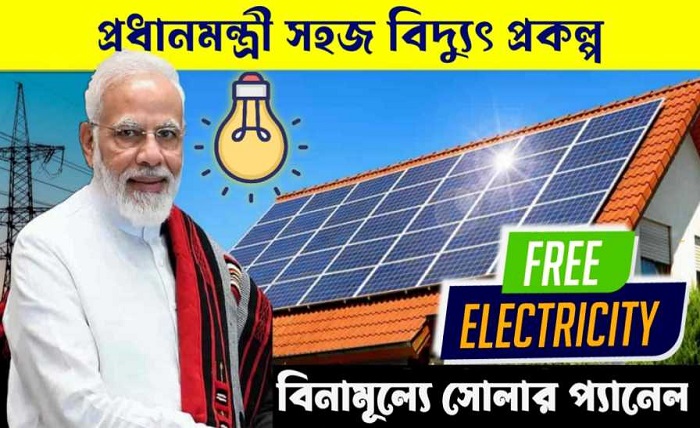
Several government initiatives have contributed to the success of har ghar bijli in India. One of the most significant programs was the Pradhan Mantri Sahaj Bijli Har Ghar Yojana, commonly known as Saubhagya Yojana. This scheme aimed to provide electricity connections to every household in the country.
Under the Saubhagya scheme, millions of homes received electricity connections, especially in remote and rural areas. The mission of har ghar bijli became stronger because the government focused on affordability and accessibility. Free electricity connections were provided to poor families, ensuring that financial limitations did not prevent households from receiving power.
The Deen Dayal Upadhyaya Gram Jyoti Yojana also supported the vision of har ghar bijli by strengthening rural power infrastructure. This program improved transformers, transmission lines, and feeder separation to ensure a stable electricity supply. As a result, the goal of har ghar bijli moved closer to reality for millions of citizens.
State governments also played an important role in achieving har ghar bijli by launching local electrification drives and improving power distribution systems. Together, these efforts transformed the electricity sector and expanded power access throughout India.
Benefits of Har Ghar Bijli for Education
One of the biggest advantages of har ghar bijli is its positive impact on education. Electricity allows students to study after sunset without depending on candles or kerosene lamps. With proper lighting, children can focus better on their studies and improve academic performance.
The mission of har ghar bijli has also enabled schools to use modern teaching methods. Many schools now use computers, projectors, and digital learning tools because electricity is available. This technological advancement helps students gain better knowledge and compete in the modern education system.
In rural areas, har ghar bijli has reduced school dropout rates because students can continue studying comfortably at home. Parents also feel encouraged to support education when they see improved learning opportunities. Access to electricity through har ghar bijli creates a brighter future for children and supports long-term national development.
Online education has become more accessible because of har ghar bijli. Students can charge mobile phones, access educational videos, and attend virtual classes. This digital connection is extremely important in today’s world, where technology plays a key role in learning and career growth.
How Har Ghar Bijli Improves Healthcare Services
Healthcare services have improved significantly with the expansion of har ghar bijli across India. Electricity is essential for hospitals, clinics, and health centers because medical equipment depends on reliable power supply. Through har ghar bijli, rural healthcare facilities can now operate more efficiently and provide better treatment to patients.
Vaccines and medicines require refrigeration, and this became easier with har ghar bijli. Rural health centers can safely store life-saving medicines and maintain proper healthcare standards. This has greatly improved public health services in remote regions.
The mission of har ghar bijli also supports emergency healthcare services. Hospitals can perform surgeries, operate diagnostic machines, and provide nighttime treatment without interruption. Patients receive faster and safer medical care because electricity ensures smooth hospital operations.
Families also benefit from har ghar bijli at home. Electric fans reduce discomfort during hot weather, clean water systems improve sanitation, and access to television or radio spreads health awareness. Therefore, har ghar bijli contributes directly to healthier communities and better living conditions.
Economic Growth and Employment Through Har Ghar Bijli
Economic growth is another major benefit of har ghar bijli. Electricity enables businesses to operate efficiently and supports industrial development. Small shops, factories, and local enterprises can expand their operations when reliable power is available.
In villages, har ghar bijli has encouraged entrepreneurship and self-employment opportunities. People can run flour mills, tailoring units, mobile repair shops, and other businesses using electrical equipment. This creates jobs and increases household income.
Farmers also benefit from har ghar bijli because electricity supports irrigation systems, water pumps, and agricultural machinery. Modern farming methods become easier to implement, resulting in higher crop production and better profits for farmers.
The mission of har ghar bijli also attracts investment in rural areas. Companies are more willing to establish businesses where electricity infrastructure is strong. As industries grow, employment opportunities increase, helping local communities achieve financial stability.
Women especially gain empowerment through har ghar bijli. Electricity reduces household workload by enabling the use of electrical appliances. Women can spend more time on education, skill development, or income-generating activities. Therefore, har ghar bijli contributes to both economic and social empowerment.
Challenges Faced in Achieving Har Ghar Bijli
Although the mission of har ghar bijli has achieved major success, several challenges still exist. One of the biggest issues is maintaining uninterrupted power supply in remote regions. Some areas experience frequent power cuts due to weak infrastructure and technical problems.
Another challenge for har ghar bijli is the high cost of maintaining transmission lines and power distribution systems in difficult terrains. Remote villages located in mountains, forests, or desert regions require additional investment and technical support.
Electricity theft and unpaid bills also affect the success of har ghar bijli. Power distribution companies face financial losses when electricity is used illegally or bills remain unpaid. These issues reduce the efficiency of the electricity system and create operational difficulties.
Renewable energy integration is another challenge connected to har ghar bijli. As India moves toward clean energy sources like solar and wind power, the country must upgrade its grid infrastructure to support sustainable electricity generation.
Public awareness is equally important for the success of har ghar bijli. People need education about energy conservation and responsible electricity usage. Without proper awareness, electricity demand may rise faster than supply capacity.
The Role of Renewable Energy in Har Ghar Bijli
Renewable energy plays a crucial role in strengthening the mission of har ghar bijli. Solar energy, wind energy, and hydropower help provide electricity to remote areas where traditional grid connections are difficult to establish.
Solar panels have become especially important for har ghar bijli in rural villages. Many households now use rooftop solar systems to generate electricity for lighting, fans, and charging devices. Solar energy reduces dependence on fossil fuels and supports environmentally friendly development.
The government has promoted renewable energy projects to make har ghar bijli more sustainable. Solar-powered street lights, irrigation pumps, and mini-grids are helping villages receive reliable electricity. These innovations improve energy access while reducing environmental pollution.
Renewable energy also helps reduce electricity costs in the long term. As technology becomes more affordable, renewable systems can support the future growth of har ghar bijli across India. Clean energy solutions ensure that development remains sustainable and beneficial for future generations.
The combination of renewable energy and modern power infrastructure will strengthen the vision of har ghar bijli and support India’s transition toward green energy leadership.
Future of Har Ghar Bijli in India
The future of har ghar bijli looks promising as India continues to modernize its power sector. The government is focusing on smart grids, renewable energy, and digital monitoring systems to improve electricity distribution and reliability.
Smart meters and advanced technologies will make har ghar bijli more efficient by reducing electricity theft and improving billing accuracy. Consumers will gain better control over electricity usage, helping save energy and reduce costs.
Electric vehicles and digital industries will also increase electricity demand in the future. Therefore, the mission of har ghar bijli must continue evolving to meet growing energy needs. Investment in power infrastructure and renewable energy will remain essential for long-term success.
The expansion of har ghar bijli will continue improving rural development. Better electricity access will encourage education, healthcare, agriculture, and entrepreneurship. As a result, India can achieve stronger economic growth and social progress.
International recognition of India’s electrification success highlights the importance of har ghar bijli as a model for other developing nations. The journey demonstrates how large-scale infrastructure projects can transform millions of lives through inclusive development.
Conclusion
The mission of har ghar bijli has transformed India by bringing electricity to millions of households and improving overall quality of life. From education and healthcare to economic growth and social empowerment, the benefits of har ghar bijli are visible across urban and rural communities.
Although challenges such as infrastructure maintenance and power reliability still exist, continued investment and technological innovation will strengthen the future of har ghar bijli. Renewable energy solutions and smart electricity systems will further support sustainable development.
The success of har ghar bijli proves that electricity access is a powerful tool for national progress. As India continues to expand and improve its energy network, the dream of reliable electricity for every household is becoming a lasting reality.
FAQs
1. What does har ghar bijli mean?
Har ghar bijli means providing electricity access to every household in India, including rural and remote villages.
2. Which government scheme supports har ghar bijli?
The Saubhagya Yojana is one of the major government schemes supporting the mission of har ghar bijli.
3. How does har ghar bijli help students?
Har ghar bijli helps students by providing proper lighting, internet access, and digital learning opportunities for better education.
4. Why is renewable energy important for har ghar bijli?
Renewable energy supports har ghar bijli by providing sustainable and eco-friendly electricity solutions, especially in remote areas.
5. What challenges does har ghar bijli face?
The main challenges of har ghar bijli include power cuts, infrastructure costs, electricity theft, and maintaining reliable electricity supply.